
From Silence to Public Record
She SaidThis flow tracks the book’s recurring movement from isolated private experience to evidence, public narration, and uncertain change.
increasing Bearing strength in each event
 decreasing
Bearing strength in each eventdecreasingPrivate Harm
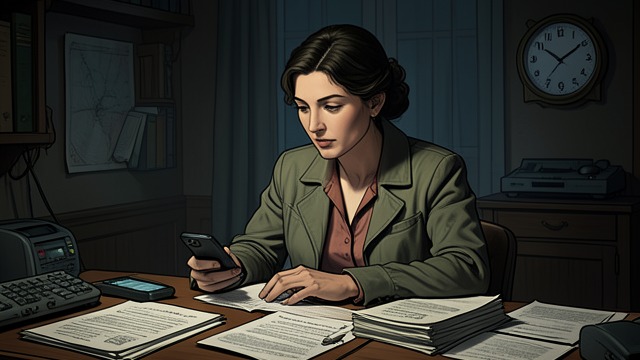
Private Harm
Isolated experiences
Women described alleged misconduct in hotel rooms, offices, and workplaces, often without knowing that others had faced similar behavior. Their private accounts could be dismissed as isolated or ambiguous.
The cost of silence
Fear of retaliation, shame, and career dependence discouraged disclosure. Some women tried to move on without a public record, while others were restricted by settlements.
Documents Preserve What Memory Cannot
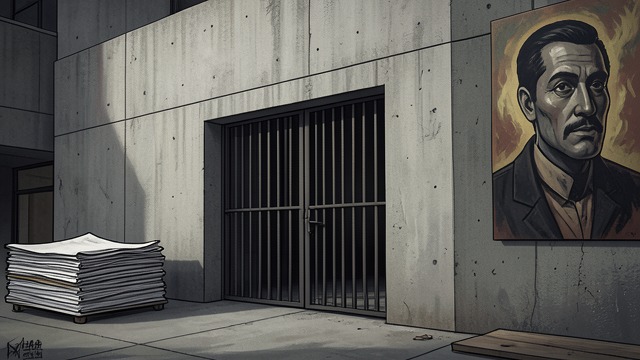
Documents Preserve What Memory Cannot
Records outlast private denials
Settlement agreements, emails, company memos, and police records preserved traces of events that participants could not discuss freely. Those documents did not prove every allegation but helped establish patterns and institutional knowledge.
Reporting connects fragments
The reporters compared records with interviews and responses. Their method turned scattered materials into a documented account while maintaining distinctions between what was alleged, corroborated, and still unknown.
Speaking Requires Support
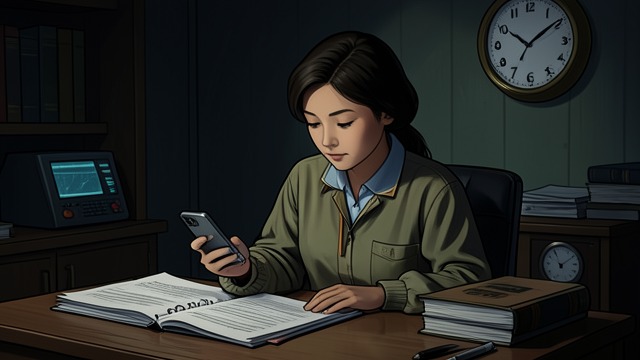
Speaking Requires Support
Trust before publication
Reporters spent months building relationships with potential sources, offering privacy where possible and explaining the risks of going on the record. No single approach could remove those risks.
Numbers change the calculation
Some women wanted assurance that others would speak too. The accumulating pattern gave them a reason to act collectively, even though publication could expose them to harassment and professional harm.
Publicity Is Not Closure

Publicity Is Not Closure
Recognition and backlash
Women who spoke received support, but some faced threats, professional disruption, family disagreement, or the feeling that an allegation had become their whole identity. Public attention could both empower and injure.
Outcomes remain uneven
The exposure of misconduct did not automatically restore careers or reform institutions. The experiences of Rachel Crooks, Kim Lawson, and Ford show that consequences differed according to class, politics, and circumstance.
The Record Opens a Beginning

The Record Opens a Beginning
More than a finished article
For journalists, the published investigation was a completed story. For people affected by harassment, public information could start conversations and help them reconsider blame and responsibility.
Change remains ongoing
The book concludes that unseen problems cannot be addressed, but disclosure alone cannot guarantee justice. The continuing task belongs to workplaces, lawmakers, communities, and people willing to keep speaking.
1990s to 2010s
1998 to 2017
2017
2017 to 2019
2019
